
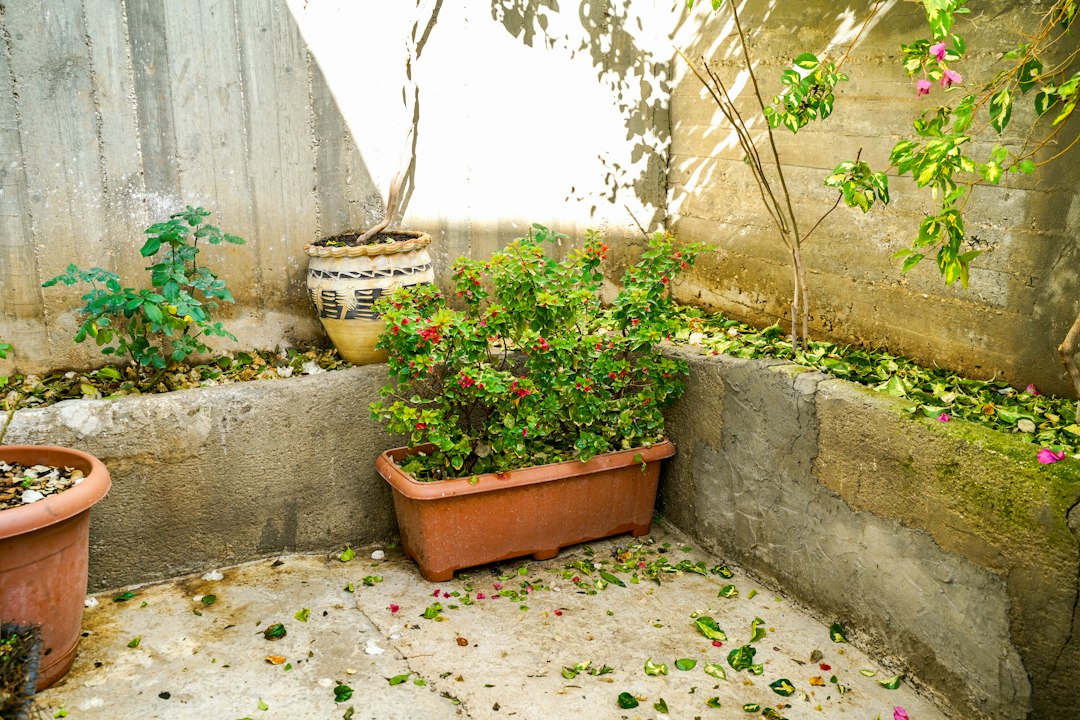
A concrete patio can handle years of outdoor use, but leaves, soil, food spills, algae, and seasonal weather can make it look tired. Regular maintenance does not need to be complicated. The key is to remove dirt before it builds up and choose cleaning methods that suit the concrete’s finish and condition.
Stamped, colored, exposed-aggregate, and plain concrete may react differently to cleaners and pressure. If the patio has a sealer or decorative coating, check the product guidance before applying chemicals or aggressive cleaning methods.
Begin With Dry Debris
Sweep leaves, twigs, soil, and loose grit away with a broom. Organic material can hold moisture and leave stains, while grit can scratch some decorative finishes when dragged across the surface. Clear debris from corners and around furniture legs, planters, and drains.
Move pots occasionally to check for trapped moisture or discoloration underneath. Use pads under metal furniture and planters where appropriate to reduce scratches and rust stains.
Use a Gentle First Cleaning Method
For ordinary dirt, start with water and a cleaner that is suitable for concrete. Follow the label’s dilution and dwell-time instructions, scrub with a compatible brush, and rinse thoroughly. Test an inconspicuous area first, especially on colored or stamped concrete.
Avoid mixing cleaning products. Never combine bleach with ammonia or acidic cleaners, and follow all safety instructions on the product label. If a stain is stubborn or the surface is decorative, a contractor or the sealer manufacturer may be able to recommend a compatible product.
Address Spills Before They Set
Food, grease, and leaves are easier to remove when addressed promptly. Blot or lift excess material rather than spreading it, then use a cleaner formulated for the stain type. Avoid harsh acids on concrete unless the product and surface specifically permit them; acids can etch or change the appearance of cement-based surfaces.
Oil stains may require a specialized degreaser and more than one application. Follow the label and protect nearby plants and drainage systems from runoff.
Be Careful With Pressure Washers
Pressure washing can remove built-up dirt, but excessive pressure or holding the nozzle too close can etch concrete, expose aggregate, or damage a sealer. Start with a lower-pressure setting, a wider spray pattern, and a test patch. Keep the nozzle moving and follow the equipment and surface manufacturer’s guidance.
For stamped or colored concrete, confirm that pressure washing is appropriate before starting. If the surface is already flaking or soft, high-pressure cleaning may make the damage worse.
Know When Sealing Makes Sense
Some patios benefit from a compatible sealer that helps with staining or water resistance, while other surfaces may not need one. The choice depends on the concrete, finish, exposure, and maintenance goals. Sealers also have their own preparation, application, and reapplication requirements.
Do not apply a new sealer over trapped moisture, dirt, or a failing coating. Follow the manufacturer’s instructions for surface dryness, temperature, coverage, and curing time. If the existing finish is peeling or cloudy, identify the cause before applying another layer.
Inspect Joints, Cracks, and Drainage
During cleaning, look for cracks that are growing, loose edges, areas of scaling, and water that pools after rain. Keep joints free of debris, but do not remove joint material without understanding its purpose. If water repeatedly collects near the house, investigate the slope and drainage rather than relying on more frequent cleaning.
Stable hairline cracks may be cosmetic, but displaced slabs, wide cracks, and widespread surface deterioration deserve professional evaluation.
Adjust the Routine by Season
In fall, remove leaves before they sit wet on the surface. In winter, use suitable snow-removal tools and follow recommendations for de-icers on your particular concrete. In spring, check for new cracks or flaking and clean away winter residue. During warm months, rinse spills and keep furniture and planters from trapping moisture.
Keep Maintenance Consistent
The safest patio care routine is simple: sweep regularly, clean stains with compatible products, test any new method, and inspect the surface while you work. Use pressure washers cautiously and seal only when the concrete and conditions are suitable. Consistent light maintenance is generally easier on a patio than aggressive cleaning after years of neglected buildup.
Leave a Reply