
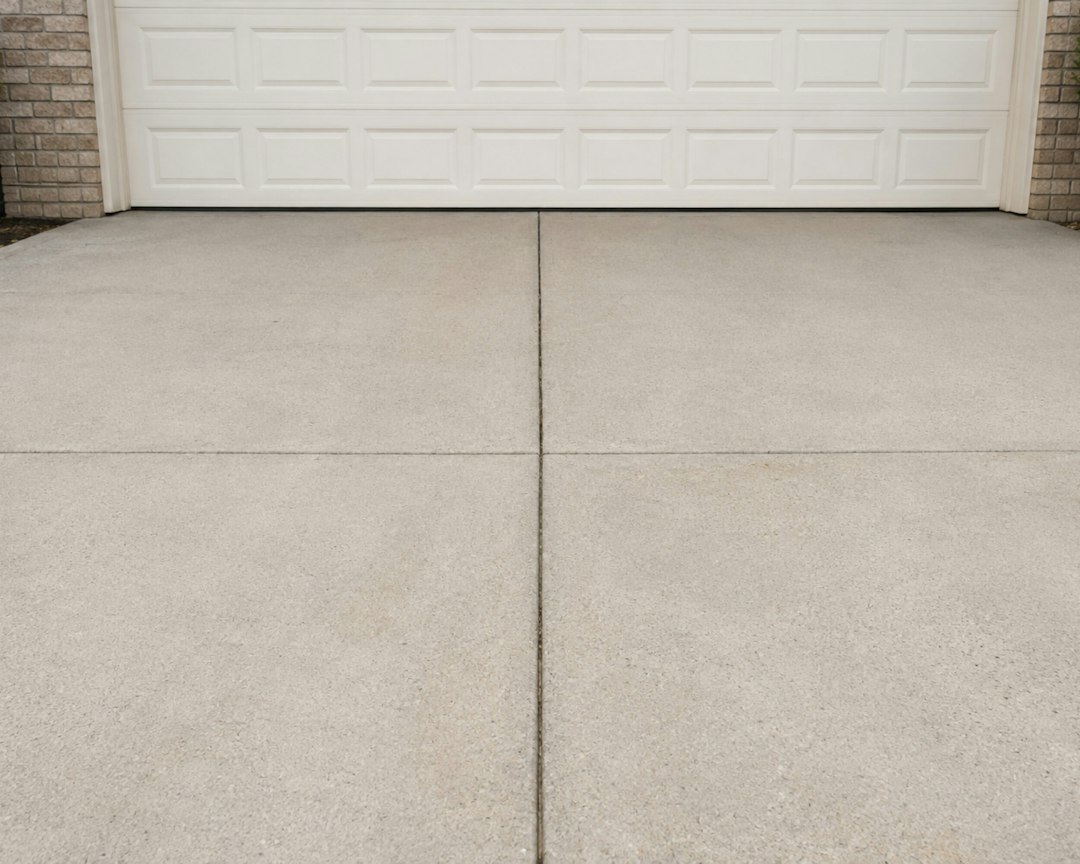
A concrete driveway can look solid for years—until one season of water, freezing temperatures, and thawing exposes a problem that was already developing. Fall is a smart time to inspect the surface, while there is still an opportunity to address small issues before winter weather makes them worse.
Not every crack means a driveway needs to be replaced. Some surface changes are cosmetic, while others can point to movement below the slab, drainage trouble, or deterioration that deserves a closer look. Here are seven warning signs homeowners should check before the first hard freeze, plus practical guidance on what to do next.
1. Cracks That Are Getting Wider
Small hairline cracks can develop as concrete naturally shrinks during curing and as temperatures change. The more important question is whether a crack is stable or continuing to grow. Take a few clear photos and note the date; checking the same spot again after a few weeks can help you see whether it has changed.
Cracks that widen, branch repeatedly, or run across multiple sections deserve attention—especially if one side sits higher than the other. Water can enter an opening, reach the base, and contribute to movement as the ground gets wet or freezes. A qualified concrete contractor can assess whether a compatible crack repair is appropriate or whether the underlying cause needs to be addressed first.
2. Uneven Slabs or Raised Edges
Look along joints and across the driveway for edges that have become noticeably higher or lower than the neighboring slab. A change in level may result from soil settlement, erosion, tree roots, or water washing material out from beneath the concrete. It can create a trip hazard and may put extra stress on the slab when vehicles pass over it.
Do not assume that filling the visible gap will solve the problem. If the slab has moved, the cause of that movement matters. Photograph the area, keep people away from a serious trip hazard, and ask a professional whether leveling, localized repair, or replacement is the safest long-term option.
3. Water That Keeps Pooling After Rain
After a steady rain, check whether puddles remain in the same places long after the rest of the driveway has drained. Persistent standing water can signal a low spot, an incorrect slope, a blocked drainage path, or settlement below the slab. Water near the garage or foundation is particularly worth investigating.
Before winter, clear leaves and debris from nearby drains and make sure downspouts discharge away from the driveway and foundation. Avoid redirecting runoff onto a neighbor’s property or toward a public walkway. If water continues to collect, have the slope and drainage pattern evaluated; a surface coating alone will not correct a grading problem.
4. Flaking, Scaling, or a Rough Surface
If the top layer of concrete is peeling away in thin flakes or small patches, the condition is often called scaling or spalling. It can be associated with repeated freeze-thaw cycles, poor finishing or curing, excess water at the surface, or deicing products used under unsuitable conditions. The damaged area may look dusty, rough, or pitted compared with the surrounding slab.
Remove loose leaves and dirt so you can see the extent of the damage, but do not aggressively chip at the surface. A shallow cosmetic issue and deeper deterioration need different solutions. Ask a contractor to determine how deep the damage goes before choosing a patching material or resurfacing system.
5. Crumbling Concrete Along Joints and Edges
The edges of a driveway and the concrete around control joints can be more vulnerable to chipping, especially where vehicles repeatedly turn or tires run close to the edge. Inspect joints for loose fragments, broken corners, and gaps that collect water and debris.
Keep the area clean and avoid driving heavy vehicles over a visibly weakened edge. Joint sealants may help limit water entry when the joint is designed for sealing and the product is suitable for the condition, but sealant is not a substitute for repairing concrete that has already broken apart. Follow the product manufacturer’s preparation and temperature instructions if a repair is appropriate.
6. White Deposits or Dark, Damp Patches
White, powdery deposits on concrete are often efflorescence—mineral salts left behind when moisture moves through the material and evaporates. By itself, it does not automatically mean the slab is failing. However, recurring deposits may be a clue that water is moving through the area, particularly when they appear alongside pooling, damp soil, or deteriorating joints.
Dark patches can also simply reflect shade or slow drying, so observe whether they persist during dry weather. Check irrigation, downspouts, and nearby soil for sources of excess moisture. Avoid applying an aggressive cleaner or sealer before identifying the cause; some treatments can discolor concrete or interfere with a later repair.
7. Old Repairs That Are Opening Up Again
A patch that has separated, a sealant that has pulled away, or a repaired crack that has reopened can indicate movement or a mismatch between the repair material and the conditions on site. Take a close look at previous repair areas as part of your fall inspection.
Before repeating the same fix, find out why it failed. The surface may not have been prepared properly, water may still be entering the area, or the slab may be moving. Some repair products also require a minimum air and surface temperature to bond and cure correctly. Read the manufacturer’s instructions and avoid rushing a repair in cold or wet conditions.
How to Prepare Your Driveway for Winter
- Clean it gently. Remove leaves, dirt, and debris from the surface and joints so water can drain and new damage is easier to spot.
- Manage runoff. Check downspouts, drains, and low spots before freezing weather arrives.
- Choose deicers carefully. Follow local guidance and product labels. Avoid using chemicals that are unsuitable for your concrete, and remember that newly placed concrete may need special protection.
- Use a compatible sealer only when appropriate. Sealing is not a cure for structural movement or active drainage problems. Confirm that the concrete is ready, the surface is dry enough, and temperatures meet the product requirements.
- Document changes. Keep dated photos of cracks, spalling, and uneven areas so you can compare conditions after winter.
When Should You Call a Concrete Professional?
Arrange an assessment if cracks are growing quickly, slabs have shifted, edges are crumbling, water repeatedly collects near the house, or a damaged area creates a safety hazard. A contractor can help distinguish routine surface wear from a problem involving drainage, the base, or the slab itself.
For homeowners in Rockland County and other areas with cold winters, the best time to investigate a concrete problem is before repeated freezing and thawing adds another layer of stress. Repairs still depend on the actual condition of the driveway and the weather window available, so avoid a rushed patch that cannot cure properly.
The Bottom Line
A quick fall inspection can help you spot driveway problems while they are easier to understand and plan for. Watch for widening cracks, uneven slabs, standing water, flaking, crumbling joints, moisture clues, and failed old repairs. Take photos, improve simple drainage and housekeeping issues, and seek professional advice when the damage is changing or affects safety.
Featured image: Photo by web seo via Unsplash.
Leave a Reply