
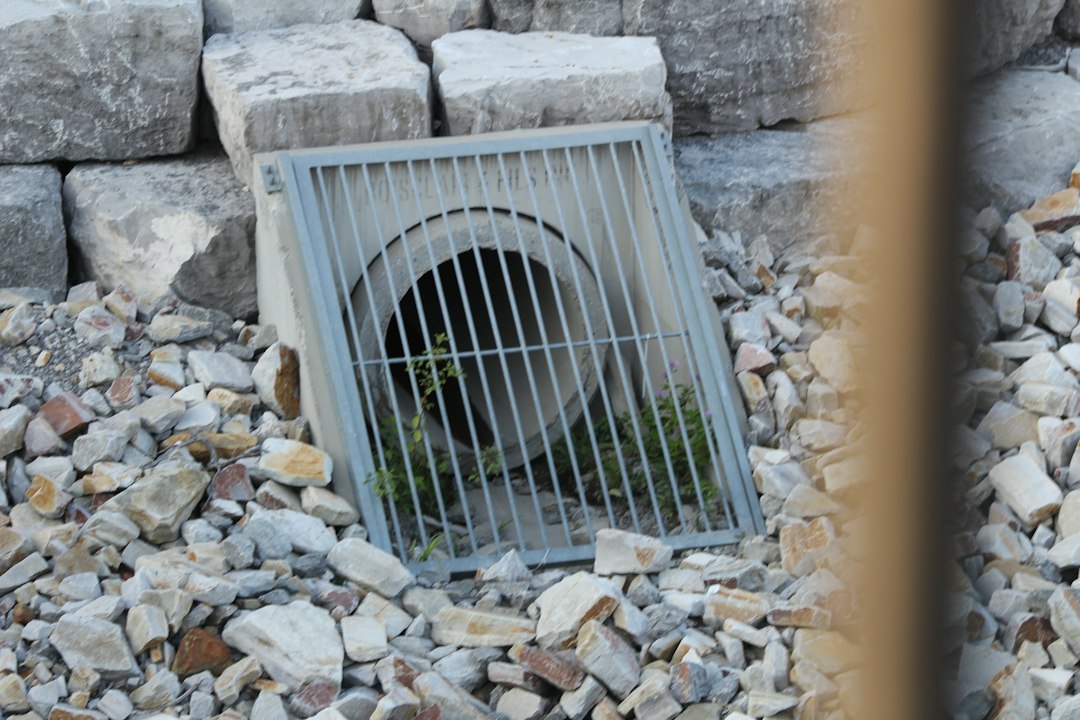
Concrete surfaces are designed to provide stable, usable outdoor space, but they also change how water moves around a property. A driveway or patio with poor slope can leave puddles, send runoff toward the house, or contribute to erosion beneath a slab. The warning signs are often visible after an ordinary rainstorm if you know what to look for.
Not every puddle signals a major defect, and the right fix depends on the site. The goal is to identify recurring patterns, avoid unsafe temporary solutions, and get professional help when water threatens the building or the concrete’s support.
1. Puddles That Remain Long After Rain
Small amounts of water may briefly remain on a surface, but repeated pooling in the same place can indicate a low spot, settlement, or an inadequate slope. Note how long the water remains and whether the area is shaded or exposed. Take photographs after rain so you can compare conditions over time.
Do not assume a surface coating will solve a low area. If the slab has settled, the underlying support may need attention before any surface treatment makes sense.
2. Water Flows Toward the Garage or Foundation
Watch the direction of runoff during rain. Water that moves toward a garage threshold, basement entrance, or foundation can increase the risk of leaks and moisture intrusion. Check the relationship between the driveway, porch, walkway, and surrounding ground.
If water is entering the building, arrange an assessment promptly. A contractor may need to evaluate grading, drainage features, and the concrete elevations together.
3. Cracks Appear Along Wet Areas
Cracks can have many causes, but repeated water exposure can make existing damage more vulnerable to deterioration, particularly during freeze-thaw cycles. Look for cracks near downspouts, low spots, slab edges, and places where water runs off a roof.
Keep a record of whether cracks widen, lengthen, or develop a height difference. Moving or displaced slabs should be evaluated rather than simply filled with sealant.
4. Soil Washes Out From Under an Edge
Look for gaps beneath slab edges, exposed base material, small channels in the soil, or landscape beds that seem to be washing away. Concentrated runoff can erode supporting material and leave parts of the slab unsupported. That may contribute to cracking or settlement.
Do not fill a void blindly without finding where the water comes from. A lasting solution may require redirecting runoff and restoring support using a method appropriate for the site.
5. Downspouts Discharge Beside Concrete
A downspout that empties next to a driveway, patio, or foundation can repeatedly saturate the same area. Check whether extensions are secure and whether the discharge point sends water to an appropriate location. Keep drains and channels clear of leaves and debris.
Any change to runoff should comply with local requirements and avoid transferring the problem to a neighboring property, public sidewalk, or area where water can freeze and create a hazard.
6. Ice Forms in the Same Place Each Winter
Recurring ice on a walkway or driveway often indicates that water is collecting or crossing the surface before temperatures drop. The source might be a low spot, a downspout, a leaking outdoor faucet, or runoff from an adjacent slope. Identify the source where it is safe to do so, and use appropriate temporary traction measures while arranging a permanent fix.
What Can You Check Safely?
After rain, observe where water begins, where it flows, and where it stops. Clear accessible surface drains, remove leaves from the concrete, and check downspouts for obvious blockages. Avoid entering excavations, dismantling drainage systems, or digging near underground utilities without the proper precautions.
Do not install a drain or change grading based only on a guess. The correct outlet and route matter, and local rules may govern how runoff can be handled.
When to Call a Professional
Seek professional advice if water enters the garage or basement, slabs settle or become uneven, soil washes out beneath concrete, or drainage problems keep returning after basic maintenance. A concrete contractor or drainage specialist can assess the slope, base, and runoff path and recommend a solution suited to the property.
Follow the Water Before Repairing the Surface
Concrete drainage problems are easier to address when the source is identified early. Watch for recurring puddles, water near the foundation, erosion, and winter ice. Clear drains, document what happens after rain, and have persistent or structural issues assessed. Correcting the route of water—not just patching the visible concrete—can help protect both the surface and the home.
Leave a Reply