
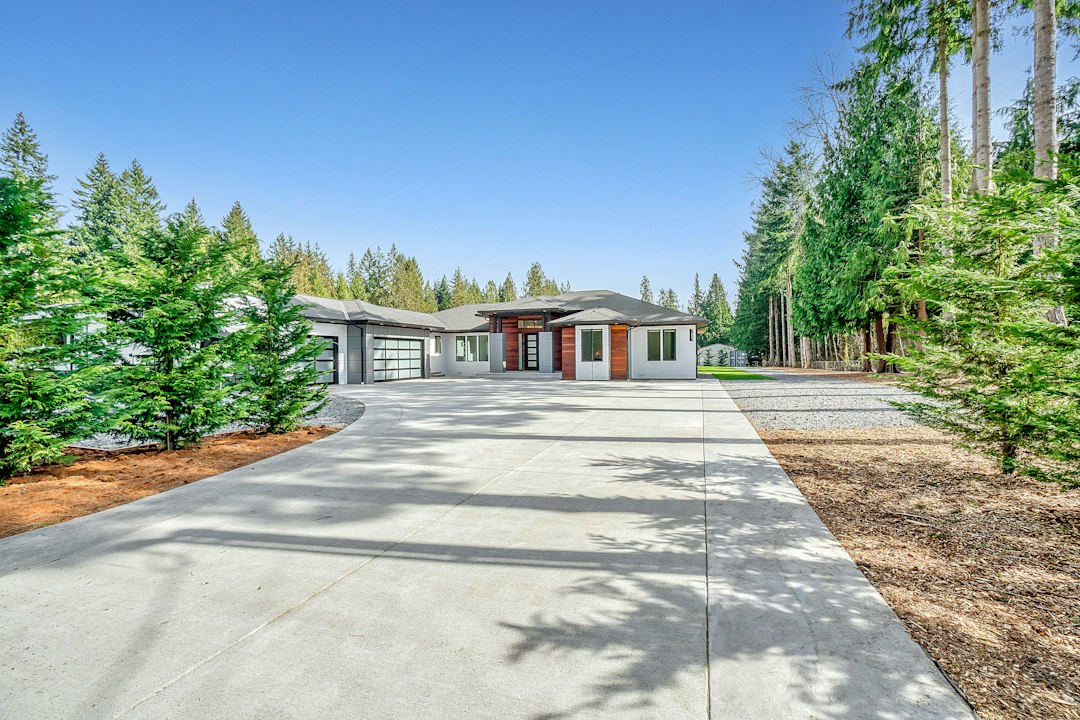
A new concrete driveway can make daily parking easier, improve curb appeal, and create a clean transition between the street and your garage. The most reliable results, however, come from decisions made before concrete arrives. Access, soil conditions, drainage, slab design, and finishing details all affect how the driveway performs over time.
For homeowners in Rockland County, the right plan also accounts for seasonal temperature swings, rain, snow removal, and the shape of the property. Use this guide to organize the important questions before comparing estimates or choosing a contractor.
1. Define How the Driveway Will Be Used
Start with the vehicles and everyday routines the driveway must accommodate. Consider the number of cars, turning space, delivery access, and whether heavier vehicles such as work trucks or recreational vehicles will use it. A layout that looks generous on paper may feel tight when doors open or cars need to pass one another.
Mark the proposed edges with stakes or landscape paint and walk the route. Check sightlines near the street, the garage threshold, and any gates or retaining walls. If the driveway needs to accommodate a slope or a tight turn, discuss those constraints before the design is finalized.
2. Investigate the Ground Beneath the Surface
Concrete needs a stable, well-prepared base. Topsoil, roots, organic material, and loose fill can settle and create unsupported areas. A contractor should evaluate the existing soil, excavate unsuitable material, and compact the subgrade appropriately. The required base depth and material depend on soil conditions, drainage, climate, and expected loads—not a universal recipe.
Ask how the base will be prepared and checked before concrete is placed. Good preparation is largely hidden once the job is finished, so it is worth understanding the plan in advance.
3. Plan Drainage Before Choosing the Finish
Water should not collect against the garage, flow toward the foundation, or create icy pools on the walking route. The driveway’s slope, nearby landscaping, downspouts, and existing drains should be considered together. On a sloped property, a contractor may recommend a channel drain or another drainage feature, subject to site conditions and local requirements.
Do not wait until after the pour to ask where rainwater will go. Correcting a poor slope later can be disruptive and expensive.
4. Confirm Thickness and Reinforcement
Driveway thickness and reinforcement should be selected for the intended loads, subgrade, and local design needs. Passenger vehicles have different demands from delivery trucks or heavy equipment. Reinforcement can help control crack behavior, but it does not eliminate all cracking and cannot compensate for a weak base.
Ask the contractor to explain the proposed slab design in plain language and include the agreed specifications in the written estimate.
5. Decide Where Control Joints Belong
Concrete shrinks as it cures and can crack as temperature and moisture change. Properly planned control joints encourage shrinkage cracks to form in predictable locations. Joint layout should account for slab geometry, thickness, corners, and transitions; long, narrow panels and re-entrant corners often need particular attention.
Discuss when joints will be cut and how their locations will be coordinated with the driveway layout. A joint plan is a normal part of quality concrete work, not an optional cosmetic extra.
6. Choose a Practical Finish
A standard broom finish provides texture and is commonly chosen for driveways because traction matters in wet and icy weather. Decorative finishes can add visual interest, but the finish must remain appropriate for the location and maintenance routine. Ask to see examples that have been exposed to real outdoor conditions rather than judging only a fresh sample.
7. Set Expectations for Weather and Curing
Concrete placement and curing are affected by temperature, wind, sun, and rain. The contractor should have a plan for the forecast and for protecting fresh concrete when conditions change. Ask when foot traffic and vehicles can return; the answer depends on the mix, weather, and site conditions. Full design strength commonly takes about 28 days under appropriate curing conditions, so avoid treating early hardness as proof that the slab is ready for every load.
8. Compare Complete Written Estimates
Look beyond the total price. Compare demolition and disposal, excavation, base preparation, forming, reinforcement, concrete specifications, jointing, finishing, cleanup, and drainage work. Clarify who obtains permits if required and how unexpected soil conditions are handled.
9. Agree on the Site Plan and Schedule
Confirm access for trucks, where equipment will be placed, how landscaping will be protected, and where vehicles can park during the work. Ask for references and verify insurance and relevant local requirements. A clear written scope helps prevent misunderstandings.
Make the Decisions Before Pour Day
A durable driveway is the result of coordinated planning, careful preparation, sound drainage, suitable materials, and proper curing. Write down your priorities, ask the contractor to explain the design, and make sure the final scope matches the property and the way your household uses it. Those conversations are easier—and far less expensive—before the concrete truck arrives.
Leave a Reply