
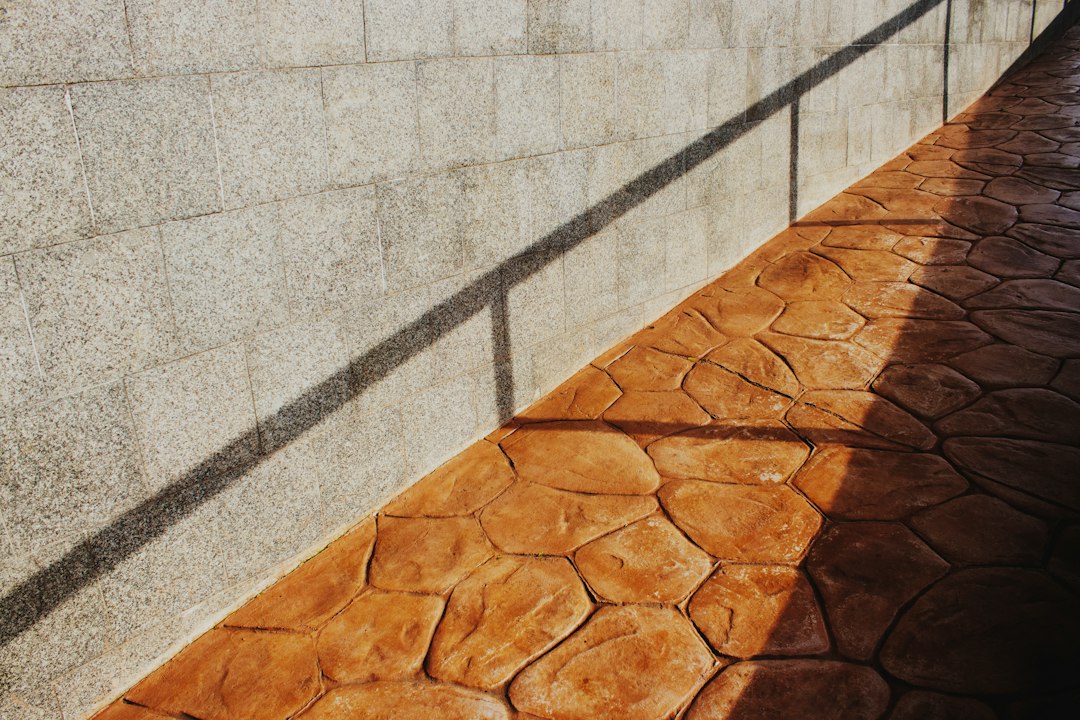
When planning a patio, the surface sets the tone for the entire outdoor space. Stamped concrete can create the appearance of stone, brick, or tile with a continuous surface, while individual pavers offer a modular look with joints between each unit. Both can work well, but they differ in installation, upkeep, and how repairs are handled.
The best choice depends on the property’s drainage, the desired design, maintenance preferences, and the condition of the ground. Rather than choosing by appearance alone, compare how each surface will perform through years of outdoor use.
What Is Stamped Concrete?
Stamped concrete is placed as a slab and textured while the material is still workable. Patterns and color treatments can imitate natural stone, brick, slate, or other designs. Because the surface is continuous, it can create a unified patio with fewer visible joints than a paver installation.
Its appearance depends on the quality of the base, the timing of stamping, the chosen color system, and the skill of the installation team. Color variation can occur, and a sealer may be recommended depending on the finish and exposure. Ask to see completed projects that are several seasons old, not just newly finished examples.
How Do Pavers Differ?
Pavers are individual concrete, clay, or stone units installed over a prepared base and bedding layer. Their joints create a traditional pattern and can make it easier to remove and replace a damaged unit. The base and edge restraints are critical: if they fail or water erodes the bedding, sections may settle or spread.
Because pavers contain many joints, weeds or joint-material loss may need attention over time. The amount of maintenance depends on the paver type, jointing material, shade, and nearby vegetation.
Appearance and Design Flexibility
Stamped concrete can deliver a coordinated pattern across a large patio and may suit homeowners who prefer fewer individual units. Pavers offer a wide range of shapes, colors, borders, and patterns. They can be especially useful when the design calls for a detailed border or when the patio needs to connect visually to an existing walkway.
Bring samples outdoors and view them in morning light, afternoon sun, and shade. Colors can look different under changing conditions and alongside siding, stone, or landscaping.
Maintenance and Repairs
Both surfaces benefit from routine sweeping, prompt removal of organic debris, and appropriate cleaning. Stamped concrete can develop cracks like any concrete slab. A localized repair may be visible because matching the original texture and color can be difficult. Sealer may need periodic renewal according to the product’s instructions and the amount of wear.
Pavers can often be lifted and reset in a localized area if a unit is damaged or the base settles. However, the repair still requires correcting the underlying cause and restoring joint material. Repairs may be easier to blend if spare pavers from the original installation were kept.
Drainage and Freeze-Thaw Conditions
Neither surface automatically solves drainage problems. The patio needs an appropriate slope, stable base, and a route for water to move away from the house. Paver joints allow some water to pass through, but a conventional paver patio should not be assumed to be a permeable pavement system. Specialized permeable designs require compatible materials and a designed drainage base.
In climates with freezing winters, water saturation and repeated freeze-thaw cycles can damage poorly installed or unsuitable materials. Choose products rated for outdoor conditions and ask the installer how the base, edge restraints, joints, and drainage will be handled.
Compare the Whole Project Cost
Pricing varies with excavation, access, base preparation, patio size, pattern complexity, borders, drainage, and labor. A simple stamped pattern may be priced differently from a complex multicolor finish. Pavers vary widely by material and layout, and intricate borders increase labor. Compare detailed written estimates with the same project boundaries instead of relying on a single square-foot number.
Questions to Ask Your Installer
- How will the base be prepared and compacted?
- How will water drain away from the home?
- What jointing, reinforcement, or control-joint plan is proposed?
- What cleaning and sealing routine will the selected surface need?
- How are repairs handled if a section cracks or settles?
Choose for Your Property, Not Just the Photograph
Stamped concrete and pavers can both create an attractive outdoor living area when properly designed and installed. Stamped concrete offers a continuous patterned look; pavers offer individual units and more localized replacement options. Consider the site’s drainage, the finish you enjoy, your tolerance for maintenance, and the quality of the contractor’s plan. A well-prepared base and sensible water management matter more than the surface style alone.
Leave a Reply