
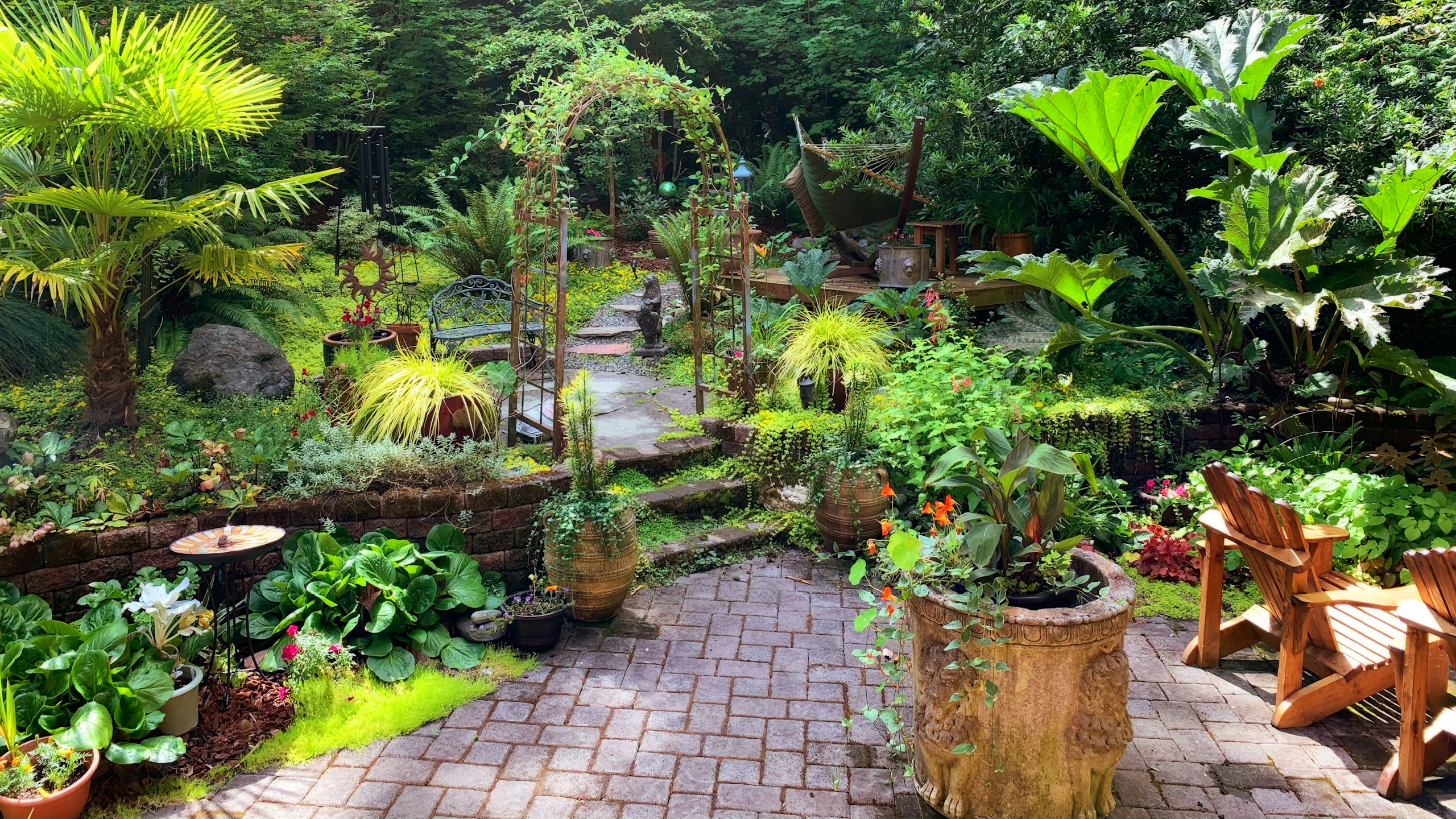
A new patio can make a backyard more useful, but choosing the surface is about more than colour or first impressions. In Rockland County, homeowners also need to think about drainage, winter conditions, maintenance, installation details, and how the space will be used. Stamped concrete and individual pavers can both create an attractive outdoor area, but they behave differently over time.
There is no universal winner. The better option depends on the site, the design, the installation quality, and how much maintenance you are comfortable doing. Here are seven practical comparisons to discuss before requesting estimates.
1. Overall look and design flexibility
Stamped concrete is poured as a continuous surface and finished with patterns and colour intended to resemble materials such as stone, brick, slate, or textured tile. It can create a coordinated look across a large patio, with fewer visible joints than a typical paver layout.
Pavers are individual units made in a range of shapes, sizes, colours, and textures. Their joints form part of the design, and patterns such as running bond, basket weave, or herringbone can add visual interest. Pavers may suit homeowners who want a more modular, traditional appearance.
Ask to see completed examples in a similar style and scale to your project. Small samples are useful, but a full installation gives a better sense of colour variation and pattern.
2. How the surface handles movement
Concrete patios are designed with control joints and other construction details to help manage the movement and shrinkage that can occur as concrete cures and responds to temperature changes. Even with careful work, cracks can develop. Their location, width, and movement matter when deciding whether repair is needed.
Pavers have joints between individual units. A properly prepared base helps keep them stable, but sections can settle or shift if the base, edge restraints, or drainage are inadequate. One practical difference is that a localised area of pavers can often be lifted and reset without replacing the entire patio.
Ask each contractor how the base will be prepared and what steps will be taken to manage water and movement at the edges.
3. Drainage and the slope of the yard
Water should move away from the house and other vulnerable structures, not collect against foundations or remain in low spots. The patio design should account for existing grades, downspouts, garden beds, steps, and the route water will take during heavy rain.
A continuous stamped-concrete surface needs a carefully planned slope and drainage details. Paver joints may allow some water to pass through, depending on the paver system and joint material, but a conventional paver patio should not automatically be treated as a permeable drainage solution.
Before work begins, ask the contractor to explain the proposed finished elevations and where runoff will go. If the yard already has drainage problems, address those as part of the project rather than expecting the surface material to solve them.
4. Winter weather and freeze-thaw exposure
Outdoor surfaces in the Northeast experience repeated wetting, freezing, and thawing. Water that enters small openings and freezes can contribute to surface deterioration over time. Material selection, installation, drainage, and routine care all influence long-term performance.
For stamped concrete, ask about the concrete mix, finishing practices, curing, joint layout, and a suitable sealer for the chosen surface. Sealers require maintenance and should be applied according to the product and contractor guidance; they are not a substitute for proper drainage or sound installation.
For pavers, ask whether the selected units are rated for the intended exterior use and local climate, and how the base and joint material will be maintained. Avoid assuming that every de-icing product is appropriate for every surface. Follow the recommendations for the specific material installed.
5. Cleaning, sealing, and routine maintenance
Both options need basic care. Keep leaves and soil from building up, clean spills before they become stubborn stains, and watch for areas where water repeatedly pools. The right cleaning method depends on the finish and any protective treatment.
Stamped concrete may need periodic resealing to maintain its appearance and protect the surface, depending on exposure and product instructions. Paver patios may need joint material replenished, weeds managed, and occasional resetting if units move. Some pavers can also benefit from sealing, but it is not automatically required for every product.
Ask for a written maintenance recommendation that names the products or methods suitable for the exact finish being installed.
6. Repairs and the appearance of ageing
A repair to stamped concrete can be difficult to make invisible because matching the original colour, texture, and pattern may be challenging, especially after the surrounding surface has weathered. Small cracks do not all require the same response, so have a qualified contractor assess the cause before choosing a repair.
With pavers, a damaged or stained unit can often be replaced individually if matching units are still available. However, colour batches can vary, and a repair may still be noticeable. If the base has settled, simply replacing the top units will not solve the underlying issue.
Ask how the contractor handles callbacks, what workmanship coverage is included, and whether spare pavers or leftover material can be retained for future repairs.
7. The full project cost—not just the surface price
Compare estimates that describe the same scope. A useful proposal should identify demolition and disposal, excavation depth, base material and compaction, edge restraints where applicable, concrete thickness or paver specifications, drainage work, steps or borders, access limitations, cleanup, and any sealing included.
A lower initial quote may leave out preparation or site work that affects durability. A more detailed estimate makes it easier to understand what you are paying for and to compare contractors fairly. Ask what conditions could change the price once excavation begins, and request that potential extras be explained before work proceeds.
Questions to ask before choosing
- How will you prepare and compact the base for this specific soil and site?
- Where will surface water drain after the patio is installed?
- What materials and installation details are recommended for local freeze-thaw conditions?
- What maintenance should I expect during the first year and over the long term?
- How are repairs handled, and what does the written workmanship warranty cover?
- Can I see a completed project that has been in service for several seasons?
Choose the system that fits the whole property
Stamped concrete can be appealing when you want a continuous surface and a coordinated pattern. Pavers can be a strong choice when you value individual-unit design and the possibility of localised replacement. Neither option compensates for poor grading, an inadequate base, or rushed installation.
For a Rockland County patio, start with the site conditions and the way you plan to use the space. Get detailed written estimates, compare the preparation and drainage plans, and ask contractors to explain the trade-offs in plain language. A well-planned installation is more important than choosing a surface based on appearance alone.
Leave a Reply